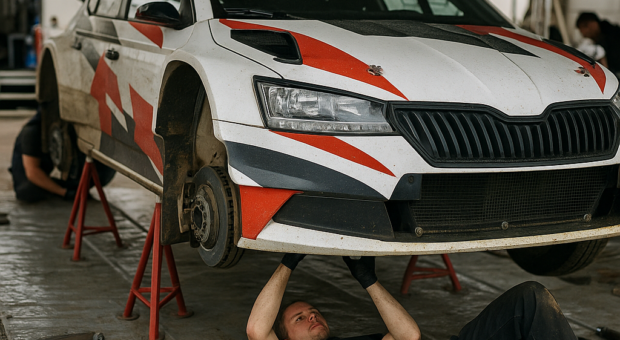
Service Park Update: Last-Minute Rally Car Repairs Shaping the Next WRC Stage
What Happened in the Service Park Before the Next WRC Rally Stage?
As the crews scrambled in the service park between stages, several key repairs and setup tweaks were underway that could significantly influence the upcoming WRC rally stages. The transition from gravel to mixed surface conditions demanded rapid adjustments in rally car setup, with teams focusing on suspension and brake modifications to optimize performance.
Notably, the leading teams concentrated on rally car reliability fixes after the rough opening stages, ensuring their machines could endure the remaining kilometers. From replacing worn shock absorbers to recalibrating turbo systems, the service park buzzed with intense activity.
Key Moments: Which Repairs Made the Difference?
- Suspension Overhaul for Gravel vs Tarmac Setup: Hyundai Motorsport’s lead driver opted for firmer suspension settings to handle the mix of fast gravel sections followed by tight asphalt corners. Mechanics replaced several suspension components, including reinforced control arms and upgraded dampers.
- Brake System Adjustments: Toyota Gazoo Racing focused on upgrading brake pads and cooling ducts after drivers reported fade on steep downhill stages. This rally car brake optimization is crucial for maintaining braking performance under extreme conditions.
- Engine Management Tweaks: M-Sport Ford made last-minute ECU recalibrations to improve turbo response and fuel efficiency, directly impacting stage times on technical sections.
- Damage Repairs: Several crews tackled bodywork and undercarriage damage sustained during earlier stages. Repairing rally car chassis integrity is vital to avoid reliability issues later in the rally championship update.
Technical and Strategic Impact of Service Park Work
The rally team strategy at this critical juncture was twofold: maximize immediate performance gains and safeguard against mechanical failures. Adjusting suspension settings from a soft gravel setup to a more aggressive mixed-surface configuration allows drivers to maintain higher cornering speeds without sacrificing traction.
Brake system upgrades help prevent performance degradation, especially important on long, demanding stages where overheating brakes can cost valuable seconds or cause retirements. Additionally, engine management refinements optimize power delivery and fuel consumption, a key factor in endurance rally stages.
By focusing on rally car reliability and setup adaptability, teams aim to reduce risks and capitalize on their drivers’ skill in the upcoming WRC rally stages.
Driver and Team Reactions to Service Park Repairs
Top drivers have praised their teams for fast and effective service park work. Hyundai’s lead driver commented on the improved confidence thanks to the revamped suspension setup, highlighting how it allowed him to attack tighter corners with more precision.
Toyota’s driver acknowledged the brake upgrades as a game-changer, saying, “We felt the difference immediately on the next stage. No more fade means we can brake later and carry more speed.”
M-Sport’s engineers emphasized the importance of the ECU recalibration, noting the improved throttle response gave their driver more control in technical sections demanding quick acceleration out of slow corners.
What Rally Fans Should Watch for Next
As the rally progresses, watch how these service park adjustments translate into stage results and overall standings. The battle between gravel vs tarmac setup philosophies will be particularly interesting on mixed-surface stages, where adaptability is rewarded.
- Will teams that focused on suspension and brake upgrades gain an edge on the twistier stages?
- How will the engine tuning affect fuel strategy and stage pacing?
- Can rally car reliability improvements prevent costly mechanical failures in the final kilometers?
Keep an eye on split times and driver feedback to see which service park repairs prove decisive in this intense motorsport news update.
The service park remains the unsung hero of rally competition, where rapid problem-solving and technical expertise can make or break a team’s chances. For rally enthusiasts and competitors alike, understanding these behind-the-scenes fixes adds a deeper appreciation of the sport’s complexity and excitement.
Looking for more in-depth information? You can also read one of our full guides here: Side-by-side comparison of two top-level rally cars: gravel vs tarmac.
Read the previous review: Service park update: key repairs and last-minute fixes before the next stage