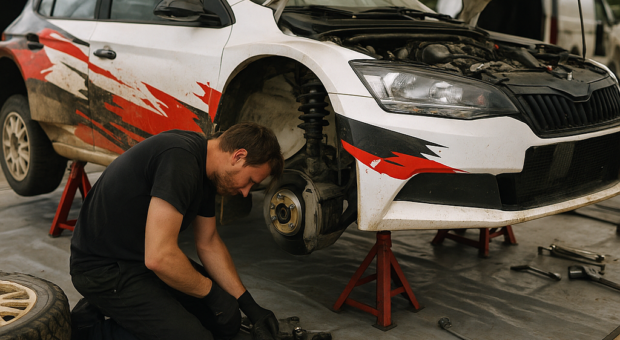
Service Park Update: Critical Repairs and Last-Minute Rally Car Fixes Ahead of Challenging Gravel Stages
What Happened in the Service Park Before the Next WRC Rally Stage?
As the crews rolled into the service park after the brutal morning gravel stages, the atmosphere was tense but focused. Several top teams faced unexpected technical issues that demanded rapid repairs and strategic adjustments. The combination of rough terrain, abrasive gravel surfaces, and unpredictable weather pushed rally car reliability to its limits.
Service crews worked feverishly to address:
- Suspension damage from large rocks on Stage 5
- Turbocharger overheating issues due to prolonged high RPMs in tight sections
- Brake pad wear requiring immediate replacement
- Electronic glitches affecting transmission control units
These repairs were crucial to ensure competitive performances in the upcoming afternoon stages, which promised even more demanding gravel conditions.
Key Moments: Which Teams Benefited and What Repairs Made the Difference?
Suspension Overhaul for Hyundai’s Leading Crew
Hyundai’s top driver, who had shown strong pace but suffered a harsh landing on a jump, had his car’s rally suspension heavily inspected. The crew replaced a damaged front wishbone and recalibrated the shock absorbers to optimize gravel compliance. This last-minute fix was vital to maintain handling balance on the upcoming rougher sections.
Ford M-Sport’s Turbocharger Cool-Down Strategy
Ford’s team mechanics tackled a turbo overheating alert reported mid-stage. They installed an upgraded intercooler hose and adjusted cooling ducts during the 30-minute service, preventing potential power loss and safeguarding engine reliability in the next stages.
Toyota Gazoo Racing’s Brake Refresh
Toyota drivers faced aggressive braking zones on the technical mountain stages. The service park team swapped out brake pads with high-friction compounds better suited to gravel conditions. This change significantly improved stopping performance and confidence on tight corners.
Technical and Strategic Impact on Rally Car Setup and Team Tactics
The service park repairs weren’t just about fixing damage—they also involved strategic changes to rally car setup to adapt to evolving stage conditions.
- Gravel vs Tarmac Setup Adjustments: Crews adjusted ride height and suspension stiffness for optimal grip on loose gravel, trading off some speed for increased stability.
- Rally Suspension Tweaks: Teams softened rear dampers to improve traction on slippery uphill sections.
- Tyre Choice and Pressure: A shift to more aggressive gravel tires with reinforced sidewalls helped reduce puncture risks.
- Rally Car Reliability Enhancements: Preventive checks on drivetrain components aimed to avoid mechanical failures in the remaining rally kilometers.
These technical modifications highlight the importance of the service park window as a critical moment where rally team strategy meets mechanical precision.
Driver and Team Reactions to Service Park Challenges
Drivers expressed relief and gratitude for the quick repairs:
- “The suspension fix was a game-changer. Without it, the car would have been unpredictable on the next stages,” said Hyundai’s lead driver.
- Ford’s driver noted, “The turbo fix gave me confidence to push harder, knowing the engine won’t overheat.”
- A Toyota crew member added, “Brake performance is crucial here. Our team did a fantastic job preparing the car for the demanding mountain roads.”
Teams emphasized the importance of seamless communication between drivers and mechanics to identify issues rapidly and execute effective fixes under time pressure.
What to Watch Next: How These Service Park Updates Could Shape the Rally Outcome
The afternoon gravel stages will test the durability of the repairs and the effectiveness of the strategic setup changes. Key factors to monitor include:
- Whether Hyundai’s suspension adjustment delivers the expected handling improvements on rough terrain.
- If Ford’s turbo cooling modification prevents any recurrence of overheating during high-revving sections.
- How Toyota’s brake upgrades influence cornering speed and driver confidence on technical descents.
- The overall impact of tyre choices and pressure settings on stage times and puncture rates.
This service park update underscores how crucial rapid, precise repairs and setup tweaks are in maintaining rally car reliability and competitive advantage in WRC rally stages.
For rally fans and competitors alike, the evolving story of mechanical resilience and team strategy continues to be a captivating element of motorsport news and the ongoing rally championship update. Keep an eye on how these developments influence the leaderboard as the rally progresses into its most demanding phases.
Looking for more in-depth information? You can also read one of our full guides here: How to spot accident repairs on a rally car.
Read the previous review: Stage report: fastest times and key moments from today’s special stage