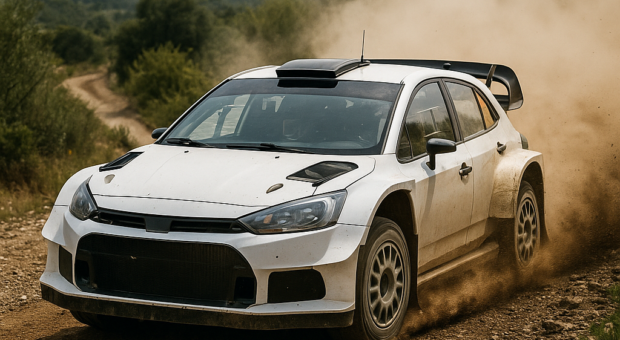
Stage-by-Stage Rally Recap: How Today’s Gritty Gravel Battle Shaped the Championship
What Happened on Today’s WRC Rally Stages?
Today’s rally unfolded across six grueling gravel stages, covering 130 competitive kilometers in mixed conditions. Early morning fog gave way to drying tracks, which presented a complex challenge for drivers and teams adjusting their rally car setup between slippery mud and faster, loose gravel sections.
The day kicked off with a tight battle at SS1, where frontrunners pushed hard to find grip on the tricky surface. By the end of SS6, several shifts in the leaderboard had shaken up the championship standings, with some unexpected gains and costly errors.
Key Moments That Defined the Day’s Rally Action
SS2: The Gravel Setup Gamble Pays Off
- Driver A opted for a softer suspension setup, prioritizing traction over outright speed.
- This paid dividends on the looser gravel, allowing him to claw back 12 seconds on his closest rival.
- The gamble highlighted how gravel vs tarmac setup decisions can impact stage times dramatically.
SS4: Rally Car Reliability Tested Under Pressure
- Driver B suffered a puncture that cost over 45 seconds, underscoring the importance of tire management and robust rally car durability.
- Meanwhile, Driver C’s team executed a swift tire change in service, minimizing time loss.
SS5: Rally Team Strategy Shifts the Momentum
- With changing weather forecasts, several teams switched to intermediate tires, betting on a possible rain shower.
- This strategic call paid off when light rain began mid-stage, giving those drivers better grip and faster times.
- The decision emphasized how rally team strategy off-stage can be as critical as driver skill behind the wheel.
Technical and Strategic Impact on Rally Championship Update
Today’s stages brought rally suspension and tire choices into sharp focus. The varying gravel conditions forced teams to balance between:
- Softer suspension for better compliance on rough terrain, improving traction but reducing top speed.
- Firmer setups favoring faster, smoother sections but risking loss of control in loose patches.
The mixed surface required a nuanced approach, with top teams adjusting their rally car setup after each service break. This ongoing adaptation is crucial in securing stage wins and championship points.
In addition, the rally regulations allowing limited tire compounds influenced team decisions heavily, adding a layer of complexity to tire conservation and choice.
Driver and Team Reactions After the Day’s Rally Battle
Driver A: “The softer suspension really helped me find confidence on the loose gravel. It was a risk, but the time gains show it was worth it.”
Driver B: “That puncture was a bitter pill, but the team’s quick tire change was impressive. We’ll regroup and push tomorrow.”
Team Principal C: “Our tire strategy was spot on with the rain. It’s a reminder how motorsport news and weather intel are vital for rally team strategy.”
What Rally Fans and Competitors Should Watch Next
Tomorrow’s stages promise more technical challenges with a mix of tight forest roads and fast open sections. Observers should keep an eye on:
- How teams further tweak their rally car setup to handle drying gravel versus muddy patches.
- Which drivers adapt best to the evolving conditions and rally suspension demands.
- The impact of rally car reliability under increasing pace and pressure.
- Any shifts in rally championship standings as points become critical.
For fans tracking the championship update, today’s developments set the stage for an intense fight ahead. Whether it’s the tactical tire calls or the fine balance of gravel vs tarmac setup, every detail counts in this high-stakes motorsport drama.
Looking for more in-depth information? You can also read one of our full guides here: Rally cars best suited for long and demanding stages.
Read the previous review: Breaking: gearbox problems force late retirement