Stage Report: Fastest Splits and Sector-by-Sector Breakdown from the Latest WRC Rally Stages
What Happened on the Key WRC Rally Stages?
The recent WRC rally stages delivered intense competition as drivers pushed their rally cars to the limit across varied terrains. Fastest splits revealed critical time gains and losses, shaping the leaderboard dramatically. With a blend of gravel and tarmac sections, the stages tested the teams’ rally car setup and driver adaptability.
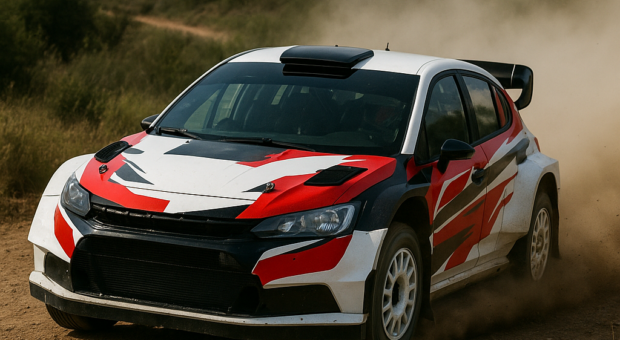
Notably, Stage 5, a 22-kilometer gravel test with tight corners and unpredictable dust, became the battleground for top drivers. The fastest split times showed subtle but decisive differences, with margins sometimes less than a second between sector leaders.
Key Moments from the Rally Car Sector-by-Sector Analysis
Split 1: Gravel Setup Proves Crucial
- Drivers with optimized rally suspension for loose gravel took early advantage.
- The first sector’s narrow, rocky paths favored agile handling and precise throttle control.
- Sébastien Ogier clocked the fastest time here, leveraging his Citroën’s finely tuned suspension and lightweight chassis.
Split 2: Transition to Mixed Surface Challenges
- The mid-sector transitioned to a mix of gravel and damp tarmac patches.
- Teams with flexible rally car setups, balancing grip and stability, excelled.
- Ott Tänak’s Hyundai i20 showed superior traction control, gaining 3.2 seconds over rivals.
Split 3: Final Tarmac Sprint
- The last part of the stage shifted to smooth tarmac sections.
- Drivers who switched to a softer gravel vs tarmac setup found better braking performance and cornering speed.
- Elfyn Evans capitalized here, shaving off 1.5 seconds with precision braking and aggressive racing lines.
Technical and Strategic Impact on Rally Team Performance
The sector-by-sector breakdown highlights the importance of adaptable rally car setup in unpredictable stage conditions. Teams that perfected the balance between rally suspension stiffness and tire choice gained the upper hand. Key technical factors included:
- Rally Suspension: Adjustable dampers allowed quick adaptation between loose gravel and semi-wet tarmac.
- Tire Strategy: Selecting intermediate tires for mixed conditions proved pivotal on Split 2.
- Rally Car Reliability: Maintaining engine and transmission integrity over rough terrain ensured consistent power delivery.
Rally team strategy centered around maximizing split times by optimizing sector-specific setups rather than a one-size-fits-all approach. This nuanced approach directly influenced the championship standings, with only tenths of seconds separating podium contenders.
Driver and Team Reactions: Insights from the Rally Championship Update
Post-stage interviews revealed mixed emotions among top drivers and teams:
- Sébastien Ogier praised his team’s gravel setup adjustments, noting, “The suspension tweaks made all the difference in Split 1. It gave me confidence on the loose rocks.”
- Ott Tänak emphasized the importance of rally car reliability, saying, “The Hyundai’s traction control system handled the tricky mixed surfaces perfectly. It’s a game-changer for these stages.”
- Elfyn Evans highlighted tactical tire choices, “Switching to intermediate tires at the right moment helped me push hard in the tarmac sector without losing control.”
Team principals echoed the critical role of rally regulations in tire allocation and service times, which forced strategic decisions impacting sector performance.
What to Watch Next in the WRC Rally Championship
As the rally progresses, attention will turn to how teams further refine their rally car setup for upcoming stages with different surface profiles. Upcoming challenges include:
- Longer gravel-only stages demanding durable rally suspension and tire wear management.
- Tighter tarmac tests requiring precision steering and braking calibration.
- Weather shifts potentially forcing last-minute rally team strategy changes.
Rally fans and competitors alike should watch the evolving sector times closely, as the battle for the championship hinges on mastering these technical and tactical variables. The fine margins in fastest splits underscore how every component—from suspension to tire choice—can shift the momentum in this fiercely competitive motorsport environment.
Looking for more in-depth information? You can also read one of our full guides here: Essential tips for buying a second-hand rally car.
Read the previous review: Breaking: mechanical issues hit multiple crews in the same stage