How Extreme Weather Impacts Rally Car Reliability and Strategy on WRC Rally Stages
Rally racing is one of the most demanding motorsports, where drivers and teams face a relentless battle against nature’s elements. Extreme weather conditions—from torrential rain to blistering heat and freezing snow—play a pivotal role in shaping rally car reliability, team strategy, and stage outcomes. Understanding how weather influences rally car setups, suspension tuning, and mechanical durability is essential for teams aiming to conquer the unpredictable challenges of WRC rally stages.
Overview: The Role of Weather in Rally Car Performance and Reliability
Rally events typically span diverse terrains and climates, with stages that can last from a few kilometers to over 50 km. Weather extremes affect not just driver visibility and grip but also mechanical components critical to rally car reliability. Teams must address these variables within rally regulations while optimizing setups for each condition.
From the Arctic cold of Scandinavian rallies to the dusty, scorching gravel tracks of Mediterranean stages, weather stress tests every part of the car:
- Engine cooling systems risk overheating or freezing
- Suspension components endure varying loads and impacts
- Tires and brakes face altered wear patterns
- Electronics and wiring confront moisture and dust ingress
The cumulative effect on overall reliability can make or break a rally championship bid.
Key Technical Points on Rally Car Setup for Weather Extremes
Rally Suspension Adjustments for Gravel vs Tarmac Setups in Wet or Dry Conditions
Suspension tuning is crucial in adapting to weather-induced stage conditions:
- Wet gravel stages require softer suspension settings to absorb slippery, uneven surfaces and maintain tire contact.
- Dry gravel favors stiffer setups to reduce body roll and improve stability over hard-packed terrain.
- On tarmac stages with rain, teams soften suspension to enhance grip but must also balance the risk of aquaplaning.
- In snow or ice, increased ride height and reinforced dampers are used to handle slick surfaces and hidden ruts.
Adjusting suspension travel and damping rates helps preserve mechanical integrity, reducing the risk of damage from unexpected impacts or overloading components during extreme weather stages.
Engine and Cooling Management Under Extreme Temperatures
Engines face dual threats from temperature extremes:
- In hot conditions (above 35°C/95°F), cooling systems are pushed to prevent overheating. Radiators may be fitted with larger ducts, and engine mapping is adjusted to reduce thermal load.
- Cold weather challenges include fuel mixture adjustments to ensure proper combustion and prevent icing in air intakes or fuel lines.
- Rally regulations limit modifications, so teams optimize within strict bounds, using telemetry data to monitor engine temps in real-time.
Electrical Systems and Moisture Protection
Extreme wet conditions increase the risk of electrical failures:
- Wiring harnesses are sealed against water ingress.
- Components like alternators and sensors are tested for resilience.
- Drivers often report intermittent faults due to moisture, which teams preemptively address through thorough pre-stage inspections.
Stage Conditions and Their Impact on Rally Car Reliability
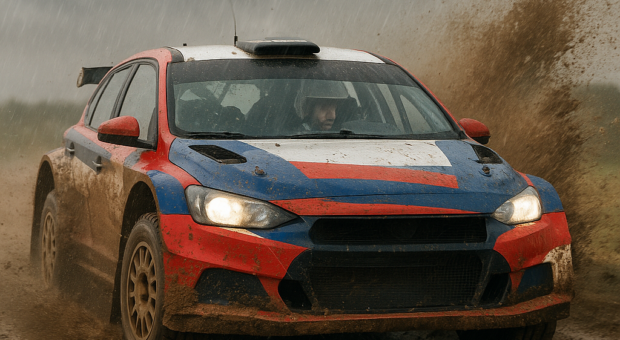
Heavy Rain and Muddy Stages
Heavy rain transforms gravel and forest stages into slippery, muddy challenges:
- Mud clogs radiators and brakes, causing overheating.
- Suspension components face increased stress from sliding and impacts.
- Tires wear faster; teams select aggressive tread patterns to maintain grip.
- Visibility drops, increasing the likelihood of driver errors that strain the car.
For example, during a notorious WRC Scandinavian Rally stage, intense rain led to multiple engine overheating retirements due to clogged cooling systems.
Snow and Ice Rally Stages
Snow rallies, such as Rally Sweden, place unique demands on cars:
- Studded tires provide grip but increase suspension stress.
- Cold temperatures cause metal to become brittle, raising the risk of component failure.
- Lubricants and fluids must be specially formulated to operate at sub-zero temperatures.
Teams often increase service intervals and conduct detailed inspections between stages to detect early signs of wear or damage.
High-Temperature Desert or Mediterranean Stages
Hot, dusty conditions accelerate component wear:
- Dust infiltrates air filters and brake systems, reducing efficiency.
- Engine oil temperatures rise, risking lubricant breakdown.
- Drivers experience increased fatigue, impacting smooth car handling.
Teams may employ additional air filtration and enhance cooling ducts, as seen in the Acropolis Rally, notorious for punishing hot, rocky stages.
Strategy Insights: Adapting Rally Team Strategy to Weather-Induced Reliability Risks
Tire Choice and Pressure Management
Selecting the right tire compound and adjusting tire pressures according to weather is a cornerstone of rally team strategy:
- Softer compounds improve grip on wet stages but degrade quickly in heat.
- Tire pressures are lowered on slippery surfaces to increase contact patch but raised on hot tarmac to prevent overheating.
Teams constantly analyze stage forecasts and competitor data to find the optimal balance.
Pace Management to Preserve Reliability
In extreme conditions, pushing the car to the limit can lead to mechanical failures:
- Teams may instruct drivers to adopt a more conservative pace to protect brakes, transmissions, or suspensions.
- Strategic time loss on certain stages can prevent costly retirements later in the rally.
Service and Repair Planning
Weather conditions influence service intervals and the scope of repairs:
- In muddy or snowy rallies, frequent cleaning of radiators and underbody components is critical.
- Components prone to weather-induced wear, like suspension bushes or brake pads, are replaced preemptively during service.
Rally regulations restrict the number and duration of service stops, so efficient planning is vital.
Common Mistakes That Affect Rally Car Reliability in Extreme Weather
- Underestimating weather impact on cooling systems: Teams sometimes fail to anticipate radiator clogging by mud or leaves, leading to overheating.
- Incorrect suspension setup choice: Using a dry gravel setup on a wet stage can cause excessive sliding and mechanical stress.
- Ignoring tire degradation signals: Overusing tires in hot or abrasive conditions results in punctures and reduced grip.
- Inadequate sealing of electrical components: Moisture ingress leads to sensor failures and electronics faults mid-stage.
- Pushing too hard despite adverse weather: Drivers risking maximum pace without adjusting for conditions often cause avoidable mechanical damage.
Avoiding these pitfalls requires experience, real-time feedback, and close communication between drivers and rally teams.
Extreme weather is an inseparable part of rally racing’s challenge, shaping not only the outcome of WRC rally stages but also the evolution of rally car design and team tactics. For rally fans and competitors alike, appreciating how teams adapt rally car setups and strategies to these harsh conditions adds a new layer of depth to the sport’s thrilling unpredictability. Whether it’s mastering gravel vs tarmac setups or managing engine reliability in scorching heat, every detail counts when nature throws its worst at the rally.
See also our previous article: How to spot accident repairs on a rally car