How to Reduce Rally Car Repair Costs Between Events: Expert Tips for Teams and Drivers
Rally motorsport is notoriously tough on cars. Between the harsh terrain of WRC rally stages and the demanding pace, maintaining a rally car’s reliability while controlling repair costs is a critical challenge for teams and drivers alike. Understanding the technical factors that lead to damage, adapting rally car setups for different surfaces, and applying smart rally team strategy can significantly reduce the frequency and expense of repairs between events.
This guide explores practical methods to minimize repair costs, focusing on rally car setup, stage conditions, and strategic maintenance decisions grounded in real rally competition contexts.
Overview: The Challenge of Rally Car Reliability and Repair Costs
Rally cars endure extreme stress from gravel, tarmac, snow, and mixed surfaces, often within a single event. Components like suspension, transmission, and brakes face constant punishment, leading to wear or failures. Repairing these parts quickly and cost-effectively between rally stages or events is vital to staying competitive and managing budgets.
Key factors influencing repair costs include:
- The severity of stage conditions (e.g., rough gravel vs smooth tarmac)
- Car setup choices tailored to terrain and weather
- Driver style and how aggressively the car is pushed
- The efficiency of the rally team’s service and maintenance operations
Key Technical Points to Minimize Repair Costs on Rally Cars
Rally Suspension Durability: Balancing Performance and Longevity
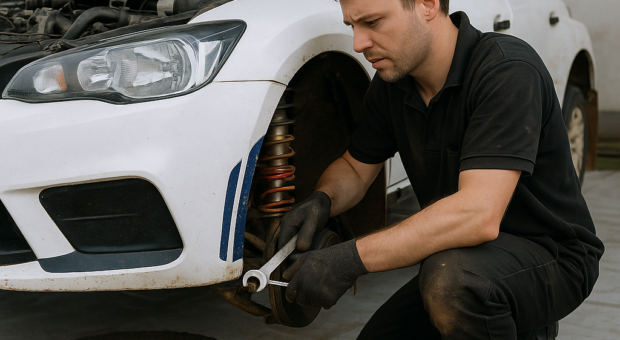
Suspension damage is one of the biggest contributors to costly repairs. To reduce damage:
- Use adjustable rally suspension components designed for the specific surface, such as softer dampers for gravel stages to absorb rough terrain shocks.
- Check suspension geometry regularly during service intervals to avoid premature wear.
- Invest in reinforced control arms and anti-roll bars that can withstand high impacts without bending or cracking.
Example: During a gravel rally stage in Finland, softer suspension settings helped absorb jumps and rough landings, preventing bent suspension arms and reducing the need for replacement parts.
Transmission and Drivetrain Maintenance Tips
The drivetrain transmits power through rough conditions, often leading to gearbox and differential damage.
- Regularly inspect and change transmission fluids to reduce wear.
- Use rally-specific gear ratios optimized for stage profiles to avoid over-stressing components.
- Monitor clutch wear closely, especially on tight, technical stages with frequent gear changes.
Brake System Care for Rally Events
Brakes face intense heat and wear, especially on fast tarmac stages.
- Use high-performance brake pads designed for rally use.
- Inspect brake discs and calipers for cracks or warping after each stage.
- Adjust brake bias according to surface to prevent locking up and excessive wear.
Understanding Stage Conditions: Gravel vs Tarmac Setup Impacts on Repair Needs
The type of rally stage surface heavily influences the rally car setup and subsequent repair costs.
Gravel Stage Setup Considerations
- Higher ride height and softer suspension settings help absorb impacts from rocks and jumps.
- Use reinforced skid plates to protect the underbody and transmission.
- Equip the car with gravel tires that balance durability with grip.
Gravel stages tend to cause more suspension and underbody damage, so teams focus on preventative measures here.
Tarmac Stage Setup and Its Influence on Durability
- Lower ride height and stiffer suspension improve handling but increase the risk of damage from curbs or debris.
- Brake cooling is critical due to repeated heavy braking.
- Tires with consistent grip and wear characteristics reduce the chance of punctures or blowouts.
Tarmac setups prioritize precision but require careful management to avoid brake and tire damage.
Strategy Insights: Rally Team Approach to Cost-Effective Repairs
Efficient Service Park Routines
- Conduct thorough inspections immediately after each stage focusing on high-risk components.
- Prioritize repairs that prevent further damage, such as replacing worn suspension bushings before they fail completely.
- Use pre-prepared spare parts kits tailored to each rally’s expected wear patterns.
Driver-Rally Car Communication
- Encourage drivers to report any unusual noises, vibrations, or handling changes promptly.
- Adapt driving style to preserve the car, particularly when leading the rally or managing a points advantage.
- Use pace notes to anticipate rough sections and adjust driving to reduce impact loads.
Managing Rally Regulations to Avoid Penalties and Extra Costs
- Stay updated on rally regulations concerning component replacements and parc fermé rules.
- Avoid unauthorized repairs that could lead to time penalties or disqualification.
- Plan repairs within allowed service times to maximize efficiency without risking penalties.
Common Mistakes That Increase Repair Costs in Rally Competitions
- Overly aggressive car setups that prioritize speed over durability.
- Neglecting routine maintenance checks between stages.
- Underestimating the impact of stage conditions on component wear.
- Poor communication between driver and mechanics leading to unnoticed damage.
- Ignoring rally regulations about repairs and service park procedures.
For rally teams and drivers focused on championship success, mastering the balance between performance and reliability is essential. By tailoring rally car setup to specific stage conditions, applying efficient maintenance strategies, and avoiding common pitfalls, teams can significantly reduce repair costs between events. This not only preserves valuable resources but also ensures the rally car remains competitive throughout the rally championship season.
Whether you’re a seasoned WRC team or competing in regional rally events, understanding these technical and strategic nuances will help you stay ahead in the demanding world of rally motorsport.
See also our previous article: How extreme weather affects reliability in rally events