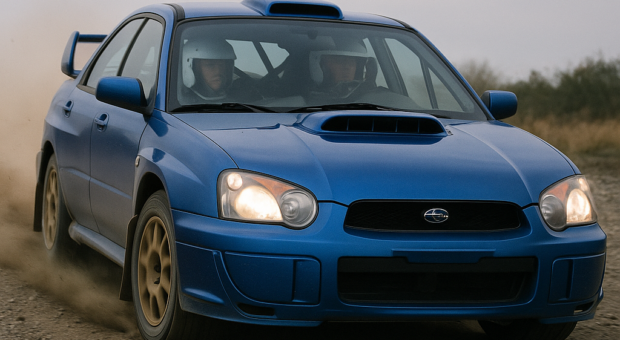
Mastering Rally Car Reliability: How Top Teams Secure Season-Long Performance in WRC
Rally racing is a high-stakes motorsport where speed meets endurance across diverse terrain. While outright pace grabs headlines, season-long rally car reliability often defines championship success. This detailed guide explores the technical, strategic, and environmental factors that influence rally car durability, helping teams and fans understand what it takes to compete consistently at the highest level.
Overview of Rally Car Reliability in Competitive Motorsport
Rally car reliability refers to the vehicle’s ability to withstand the punishing conditions of multiple rally stages without mechanical failure. Unlike circuit racing, rally drivers tackle unpredictable surfaces including gravel, tarmac, snow, and mud — all within the same season. The World Rally Championship (WRC) demands cars that can endure hundreds of competitive kilometers under intense stress.
Key challenges affecting reliability include:
- Constant suspension impacts on rough terrain
- Engine overheating and wear during long stages
- Transmission and drivetrain strain from frequent gear changes and differential adjustments
- Brake system degradation
- Electronics and sensor resilience amid vibrations and dust
Teams that master reliability minimize retirements, secure consistent points, and maintain a competitive edge throughout the championship.
Key Technical Points Impacting Rally Car Setup and Durability
Rally Suspension: Balancing Performance and Toughness
Suspension systems absorb shocks from rough roads and jumps, making them critical to reliability. Teams customize suspension travel and damping rates depending on stage type:
- Gravel setup: Softer suspension with longer travel (up to 300mm) absorbs rocks and ruts, reducing component stress.
- Tarmac setup: Stiffer, lower suspension improves handling but increases risk of damage on rough surfaces.
Reinforced suspension arms, high-quality bushings, and robust shock absorbers are essential to prevent failures during rugged stages.
Engine and Cooling Systems
Engines are tuned to deliver peak power while maintaining thermal stability. Typical WRC engines produce around 380 horsepower but operate under extreme loads.
Key reliability factors include:
- Efficient intercoolers and radiators to prevent overheating in hot or slow sections
- Use of high-grade lubricants to minimize wear during long stages (some exceeding 40 km)
- Engine mapping adjustments to balance power and durability
Drivetrain and Transmission Setup
Reliable gearboxes and differentials are crucial due to frequent gear changes (sometimes over 100 per stage) and varying traction conditions. Popular solutions involve:
- Sequential gearboxes with reinforced internals
- Adjustable center and rear differentials for traction tuning
- Clutch systems designed to handle repeated high torque loads
Regular maintenance and component inspection during service breaks are also vital.
Stage Conditions and Their Influence on Rally Car Reliability
Gravel vs Tarmac Setup Considerations
Rally stages vary dramatically, and setups must adapt accordingly:
- Gravel stages feature loose, uneven surfaces causing higher suspension stress, increased tire puncture risk, and dust ingress that can damage filters and electronics.
- Tarmac stages demand precision handling but expose cars to sharp curbs and asphalt abrasions, risking suspension and brake damage.
Teams often carry spare parts and tailor service intervals based on the expected stage mix to mitigate risks.
Weather and Environmental Effects
Adverse weather such as rain or snow complicates reliability challenges:
- Wet conditions increase chances of engine water ingestion, affecting air intakes.
- Mud and snow can clog radiators and brakes, leading to overheating or reduced braking efficiency.
- Cold weather affects tire grip and suspension stiffness, requiring setup adjustments.
Proactive monitoring and real-time strategy changes help teams cope with these variables.
Strategy Insights: Managing Reliability Across a Rally Season
Planned Service Intervals and Component Lifespan
WRC regulations allow limited service time between stages (usually 15 minutes) and longer service zones between legs (up to 45 minutes). Efficient use of this time is critical:
- Teams prioritize replacing wear-prone parts such as brake pads, tires, and suspension components.
- Real-time telemetry helps identify early signs of mechanical issues.
Driver and Co-Driver Roles in Reliability Management
Experienced drivers balance aggression with mechanical sympathy, avoiding unnecessary risks like hitting rocks or curbs. Co-drivers assist by:
- Providing precise pace notes to optimize speed without overloading the car
- Communicating stage conditions that may require conservative driving
Rally Team Strategy for Consistency
Top teams often aim for consistent stage finishes rather than pushing for outright wins on every stage. This approach reduces mechanical strain and accumulates valuable championship points.
Common Mistakes That Compromise Rally Car Reliability
- Over-aggressive driving on rough sections: Leads to broken suspension arms, punctures, or drivetrain damage.
- Ignoring early warning signs: Temperatures or unusual noises may precede failures if not addressed promptly during service.
- Inadequate pre-rally inspections: Missed cracks or worn components can cause retirements under race stress.
- Poor setup choices: Running too stiff a suspension on gravel or insufficient cooling for hot conditions increases risk.
Learning from these pitfalls is essential for any rally team aspiring to finish every event.
Rally car reliability remains a cornerstone of success in the fiercely competitive WRC environment. Understanding how technical setups, stage conditions, and strategic decisions intertwine can deepen appreciation of the sport’s complexity. For rally enthusiasts and competitors alike, mastering reliability means not just finishing, but thriving across the toughest motorsport calendar.
See also our previous article: Warning signs that your engine, transmission, or suspension is near failure